
Overview
In the world of competitive swimming, few topics spark as much debate as lactate testing. Some coaches swear by it. Others dismiss it as unnecessary lab‑coat science. The truth, as always, sits somewhere in the middle — and understanding that middle ground is where smart coaching lives.
This article breaks down what lactate testing actually measures, how it’s used, and the strongest arguments both for and against integrating it into a swim program.
What Lactate Testing Actually Is
When swimmers train at higher intensities, their muscles produce lactate, a byproduct of anaerobic metabolism. Lactate itself isn’t the enemy — in fact, it’s a fuel. But rising lactate levels signal that the swimmer is shifting from aerobic to anaerobic energy systems.
Coaches use these numbers to understand:
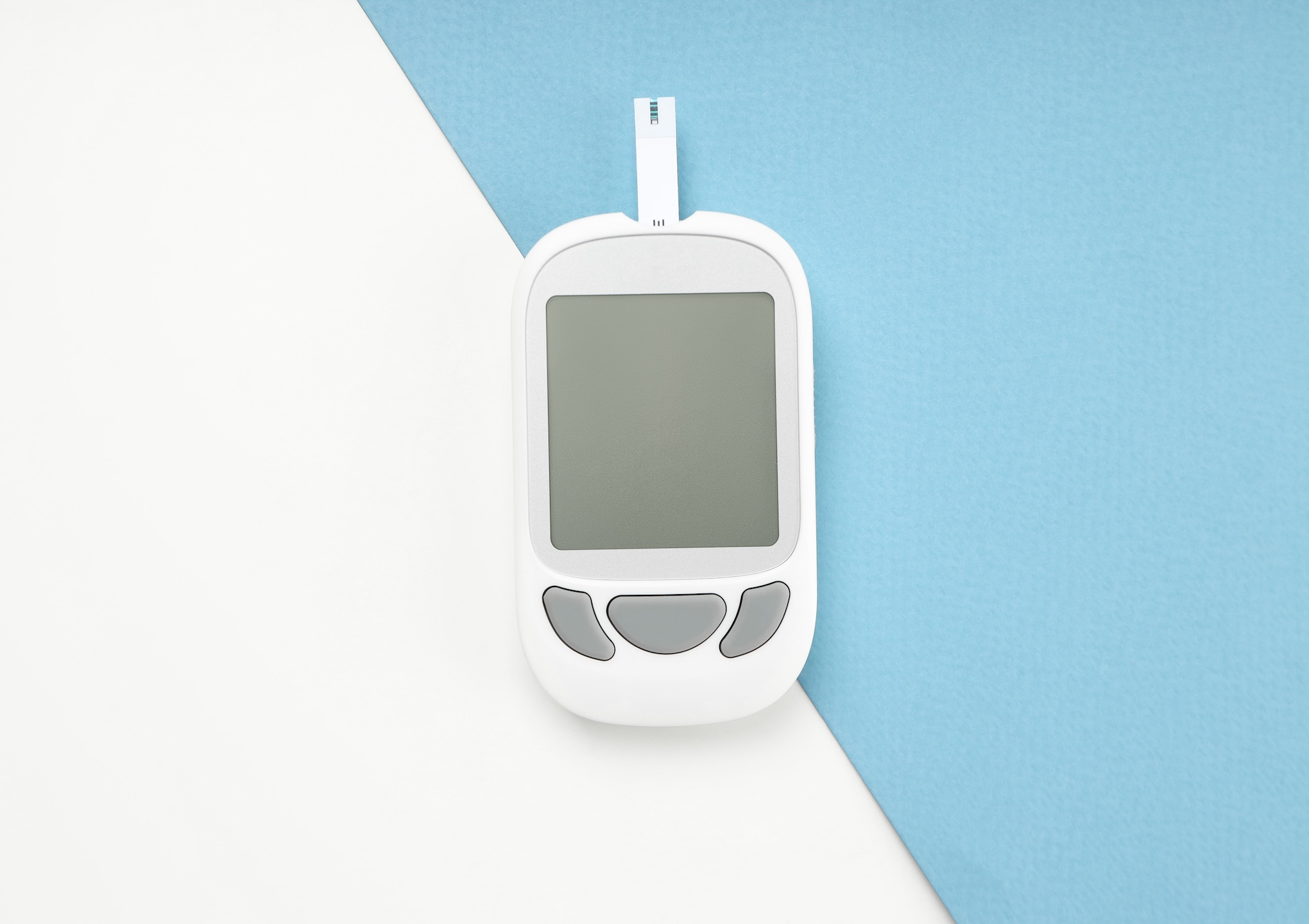
Lactate testing involves taking a small blood sample (usually from the fingertip or earlobe) during or after a set to measure the concentration of lactate in the blood, typically expressed in mmol/L.
The Case FOR Lactate Testing
1. It removes guesswork from training
Two swimmers can hold the same pace with completely different metabolic costs. One may be cruising aerobically; the other may be drowning in lactate. Testing reveals the truth behind the stroke.
2. It personalizes training zones
Instead of generic “heart rate zones” or “threshold pace,” lactate testing gives individualized metabolic zones:
• Aerobic capacity
• Aerobic power
• Anaerobic capacity
• Anaerobic power
This is the foundation of the Jan Olbrecht model — and why elite programs use it.
3. It improves race‑pace accuracy
Lactate testing shows whether a swimmer can sustain race pace without blowing up. It helps coaches fine‑tune:
• 100/200 pacing
• 400/800 aerobic power
• 50/100 anaerobic power
4. It can prevent overtraining
If lactate spikes too early in a set, the swimmer may be:
• Fatigued
• Under‑recovered
• In need of more aerobic development
Testing catches these issues before they become problems.
5. It validates training blocks
Instead of hoping a block worked, lactate testing shows:
• Did aerobic capacity improve?
• Did anaerobic capacity rise or fall?
• Is the swimmer ready for race prep?
It’s objective feedback in a subjective sport.
The Case AGAINST Lactate Testing
1. It can be misused or misunderstood
Lactate numbers mean nothing without context.
A coach who doesn’t understand physiology can easily:
• Over‑test
• Misinterpret results
• Chase numbers instead of performance
Bad lactate testing is worse than no lactate testing.
2. It can disrupt training flow
Stopping a swimmer mid‑set to prick their finger can:
• Break rhythm
• Reduce training density
• Create unnecessary stress
Not every session needs testing.
3. It requires equipment, time, and consistency
Meters, strips, calibration, data logging — it’s a commitment.
Programs without structure often abandon it quickly.
4. It can create athlete anxiety
Some swimmers fixate on numbers:
• “My lactate was too high.”
• “Why is my lactate lower than hers?”
If not framed correctly, testing can feel like judgment.
5. It’s not the only way to coach effectively
Great coaches have built champions without ever touching a lactate meter.
Experience, observation, and race results still matter.
So… Should You Use Lactate Testing?
Here’s the honest answer:
Lactate testing is a powerful tool — but only when used with purpose, understanding, and restraint.
It’s not magic.
It’s not mandatory.
It’s not a shortcut to medals.
But when integrated into a structured training system — especially one built around metabolic profiling, block periodization, and race‑pace modeling — lactate testing becomes a competitive advantage.
For programs that want to train smarter, not just harder, it’s one of the most valuable pieces of data you can collect.
Where Lactate Testing Fits in Modern Swim Programs
The sweet spot is this:
• Test strategically, not constantly
• Use results to guide training blocks, not dictate every set
• Educate swimmers so numbers empower rather than intimidate
• Combine lactate data with performance data for a full picture